Reading the trade relationship
Trade preferences and counter-drug or diplomatic policy are related politically but governed by separate instruments.
Country relationship · South America · Reviewed
A major security partner whose relationship also rests on trade, peacebuilding, and communities.
Colombia’s relationship with the U.S. includes extensive security cooperation, a trade agreement, and strong social ties. Counter-drug policy, implementation of peace commitments, rural development, and civilian protection require distinct measures of progress.
Economy
A major security partner whose relationship also rests on trade, peacebuilding, and communities.
Security
Security and peace implementation: Civilian protection and institutions.
People
Families, learning, travel, and professional connections extend beyond official diplomacy.
Trade figures are dated estimates, not a live counter. All amounts are U.S. dollars.
$54.4bnTwo-way goods and services trade · 2025
Energy, agriculture, manufacturing, and services connect the economies. The trade promotion agreement supports eligible commerce, while logistics, labor obligations, and investment conditions affect practical access.
Goods only in these bars; services are included in the larger total alongside them. A trade balance alone does not measure the value of a relationship.
| Measure | Amount |
|---|---|
| U.S. goods exports | $19.5bn |
| U.S. goods imports | $17.9bn |
| Goods and services, both directions | $54.4bn |
Country developments · Reviewed
Trade preferences and counter-drug or diplomatic policy are related politically but governed by separate instruments.
Plan Colombia shaped decades of cooperation. Current questions include armed groups, trafficking, police and judicial capacity, and protection of civilians and social leaders.
Major non-NATO ally status does not mean NATO membership or an automatic U.S. defense guarantee.
Colombian communities in the U.S., student exchanges, business ties, and tourism sustain the relationship. Internal displacement and regional migration add humanitarian responsibilities alongside enforcement priorities.
Peacebuilding outcomes should include safety and access to services, rather than only arrests or eradication figures.
Diplomacy, cooperation, disagreements, and decisions to watch in this relationship.
Country developments · Reviewed
Selected milestones that explain the relationship today.
A major U.S. assistance and security partnership begins.
The U.S.–Colombia Trade Promotion Agreement takes effect.
The accord creates a framework for demobilization and reforms; it does not end all armed violence.
Washington formalizes an additional framework for security cooperation.
An acting chief of mission is not a Senate-confirmed ambassador.
Key U.S. interlocutors: the officials leading diplomacy, trade, and security coordination. These are selected federal leads, not an exhaustive directory.
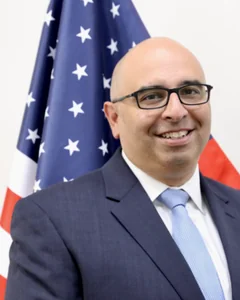
Embassy leadership
Chargé d’affaires, U.S. mission to Colombia
Leads the U.S. mission’s diplomatic engagement with Colombia. The mission coordinates U.S. agency work and maintains the local diplomatic channel.
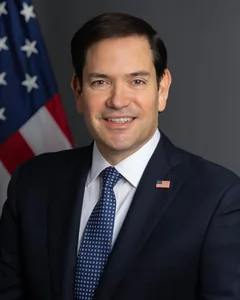
Diplomacy
Secretary of State
Leads State Department diplomacy and the senior political relationship. Embassy and consular work sit within this diplomatic chain.
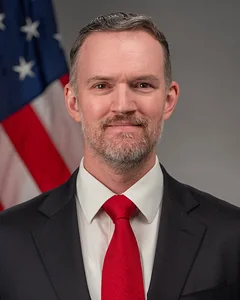
Trade negotiations
U.S. Trade Representative
Leads U.S. trade policy and negotiations. Trade preferences, treaty implementation, and market-access questions are distinct from immigration and consular decisions.
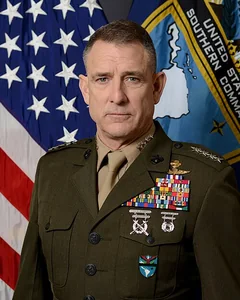
Military cooperation
Commander, U.S. Southern Command
Leads U.S. military cooperation in SOUTHCOM’s area, including training, maritime awareness, and disaster-response support. This command role is separate from diplomatic negotiations and the partner government’s legal authority.
Senate confirmation authorizes an appointment; it is not a swearing-in date. Swearing in marks the oath of office. An ambassador's presentation of credentials is a separate step with the receiving government. Each date above is labeled for the event the source verifies. The officials and roles were reviewed on Nov 17, 2026 and may change.

