Reading the trade relationship
Small trade totals do not measure the importance of services, family connections, or disaster resilience.
Country relationship · Caribbean · Reviewed
A small-island relationship centered on resilience, communities, and regional cooperation.
Dominica’s U.S. relationship combines tourism and modest goods trade with disaster preparedness, education, and maritime security. It is a different country from the Dominican Republic and is covered by the U.S. mission in Bridgetown.
Economy
A small-island relationship centered on resilience, communities, and regional cooperation.
Security
Regional security and resilience: National agencies and Bridgetown mission.
People
Families, learning, travel, and professional connections extend beyond official diplomacy.
Trade figures are dated estimates, not a live counter. All amounts are U.S. dollars.
$68.4mTwo-way goods trade · services excluded · 2025
Tourism, agriculture, imported supplies, and outside investment shape economic ties. Natural disasters can damage an outsized share of infrastructure and livelihoods.
Goods only in the bars and total. Travel and other services are not included in this snapshot. A trade balance alone does not measure the value of a relationship.
| Measure | Amount |
|---|---|
| U.S. goods exports | $66.2m |
| U.S. goods imports | $2.2m |
Country developments · Reviewed
Small trade totals do not measure the importance of services, family connections, or disaster resilience.
National agencies cooperate through Eastern Caribbean security arrangements and U.S.-supported regional engagement. Maritime awareness and emergency readiness have practical value for a small island state.
Regional support supplements national institutions rather than replacing them.
Families, students, travelers, and professional networks connect Dominica with the U.S. Recovery and resilience depend on local participation as well as external support.
Dominica and the Dominican Republic have different governments, missions, and trade arrangements.
Diplomacy, cooperation, disagreements, and decisions to watch in this relationship.
Country developments · Reviewed
Selected milestones that explain the relationship today.
Dominica becomes independent from the United Kingdom.
The U.S. establishes its Caribbean Basin preference framework.
The storm causes widespread destruction and makes resilience a central national challenge.
The Bridgetown mission covers Barbados, Antigua and Barbuda, Dominica, Grenada, Saint Kitts and Nevis, Saint Lucia, and Saint Vincent and the Grenadines. They are seven independent countries, not one jurisdiction.
Key U.S. interlocutors: the officials leading diplomacy, trade, and security coordination. These are selected federal leads, not an exhaustive directory.
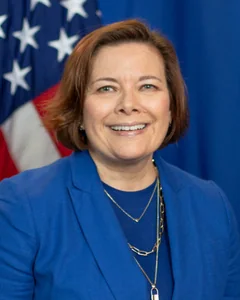
Embassy leadership
Chargé d’affaires, U.S. mission to Barbados and the Eastern Caribbean
Leads the U.S. mission’s diplomatic engagement with Dominica. The mission coordinates U.S. agency work and maintains the local diplomatic channel.
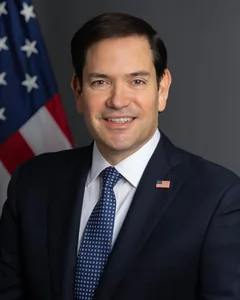
Diplomacy
Secretary of State
Leads State Department diplomacy and the senior political relationship. Embassy and consular work sit within this diplomatic chain.

Trade negotiations
U.S. Trade Representative
Leads U.S. trade policy and negotiations. Trade preferences, treaty implementation, and market-access questions are distinct from immigration and consular decisions.
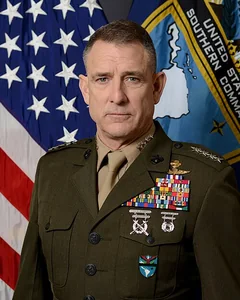
Military cooperation
Commander, U.S. Southern Command
Leads U.S. military cooperation in SOUTHCOM’s area, including training, maritime awareness, and disaster-response support. This command role is separate from diplomatic negotiations and the partner government’s legal authority.
Senate confirmation authorizes an appointment; it is not a swearing-in date. Swearing in marks the oath of office. An ambassador's presentation of credentials is a separate step with the receiving government. Each date above is labeled for the event the source verifies. The officials and roles were reviewed on Nov 17, 2026 and may change.

