Reading the trade relationship
Trade access, household income, and fiscal sustainability measure different parts of the economy.
Country relationship · Central America · Reviewed
Deep family and economic ties alongside consequential security and rights debates.
The U.S.–El Salvador relationship combines a large diaspora, remittances, apparel production, and CAFTA–DR with migration and security cooperation. Debates over detention, due process, and democratic checks are central to assessing that cooperation.
Economy
Deep family and economic ties alongside consequential security and rights debates.
Security
Security and justice channels: Diplomacy, enforcement, oversight.
People
Families, learning, travel, and professional connections extend beyond official diplomacy.
Trade figures are dated estimates, not a live counter. All amounts are U.S. dollars.
$11.0bnTwo-way goods and services trade · 2025
Apparel supply chains and CAFTA–DR connect producers to U.S. buyers. Dollarization affects the monetary framework, while remittances are household transfers rather than exports and should not be added to the goods trade bars.
Goods only in these bars; services are included in the larger total alongside them. A trade balance alone does not measure the value of a relationship.
| Measure | Amount |
|---|---|
| U.S. goods exports | $4.6bn |
| U.S. goods imports | $2.3bn |
| Goods and services, both directions | $11.0bn |
Country developments · Reviewed
Trade access, household income, and fiscal sustainability measure different parts of the economy.
Gang violence and organized crime have driven extensive security measures. Cooperation with Washington raises questions about detention arrangements, legal authority, oversight, and the protection of individual rights.
A change in reported crime is a different claim from whether detention practices meet due-process and human-rights standards.
Salvadoran families in the United States maintain remittance, cultural, and community ties. Immigration decisions can affect households in both countries, while consular assistance and citizenship documentation follow separate rules.
A migration agreement does not establish the immigration status or legal protections of every individual affected.
Diplomacy, cooperation, disagreements, and decisions to watch in this relationship.
Country developments · Reviewed
Selected milestones that explain the relationship today.
Washington’s role in the civil-war period remains an important part of the relationship’s history.
The Chapultepec accords end the war and reshape security institutions.
The U.S. dollar becomes legal tender, creating a lasting monetary connection.
The agreement takes effect for El Salvador on March 1.
An acting chief of mission is not a Senate-confirmed ambassador.
Key U.S. interlocutors: the officials leading diplomacy, trade, and security coordination. These are selected federal leads, not an exhaustive directory.
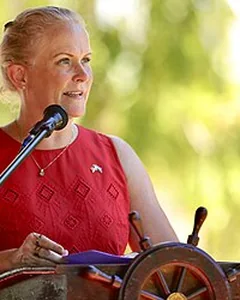
Embassy leadership
Chargé d’affaires, U.S. mission to El Salvador
Leads the U.S. mission’s diplomatic engagement with El Salvador. The mission coordinates U.S. agency work and maintains the local diplomatic channel.
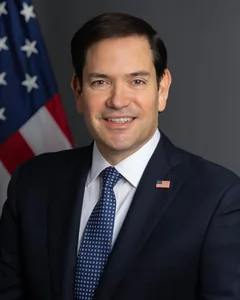
Diplomacy
Secretary of State
Leads State Department diplomacy and the senior political relationship. Embassy and consular work sit within this diplomatic chain.
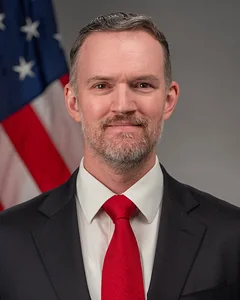
Trade negotiations
U.S. Trade Representative
Leads U.S. trade policy and negotiations. Trade preferences, treaty implementation, and market-access questions are distinct from immigration and consular decisions.
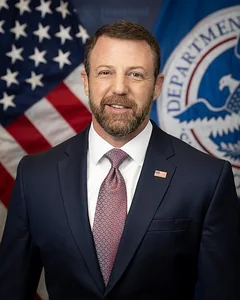
Border coordination
Secretary of Homeland Security
Oversees U.S. customs, border, and immigration agencies. These U.S. responsibilities do not give DHS authority over El Salvador’s domestic institutions.
Senate confirmation authorizes an appointment; it is not a swearing-in date. Swearing in marks the oath of office. An ambassador's presentation of credentials is a separate step with the receiving government. Each date above is labeled for the event the source verifies. The officials and roles were reviewed on Nov 17, 2026 and may change.
