Trade
Production crosses the border.
USMCA sets origin and market-access rules. Bilateral talks can address a U.S.–Mexico sticking point, while extending the regional pact requires Canada too.
Country relationship · North America · Reviewed
A neighbor connected through manufacturing, migration, and a shared border.
The U.S.–Mexico relationship combines integrated production and deep human connections with difficult questions about migration, organized crime, and sovereignty. Trade, diplomacy, and law enforcement run through distinct channels.
Trade
Vehicles, electronics, medical devices, and agriculture connect suppliers, workers, and customers.
Security
Crime and trafficking cross borders. Joint work still depends on each country's laws, institutions, and consent.
People
Family networks, travel, work, and border communities make this relationship much larger than migration enforcement.
Trade figures are dated estimates, not a live counter. All amounts are U.S. dollars.
$964.1bnTwo-way goods and services trade · 2025
Manufacturing networks link vehicles, electronics, medical devices, and textiles across the border. Agricultural trade matters in both directions. USMCA provides common trade rules, but bilateral disagreements and separate tariff measures can still affect companies and workers.
Goods only in these bars; services are included in the larger total alongside them. A trade balance alone does not measure the value of a relationship.
| Measure | Amount |
|---|---|
| U.S. goods exports | $337.3bn |
| U.S. goods imports | $534.3bn |
| Goods and services, both directions | $964.1bn |
Country developments · Reviewed
Production crosses the border.
USMCA sets origin and market-access rules. Bilateral talks can address a U.S.–Mexico sticking point, while extending the regional pact requires Canada too.
Trade
Greer’s office conducted bilateral talks over USMCA-related issues in 2026 and opened the 2027 consultation. Watch the difference between a tariff threat, a published tariff action and a jointly agreed rule.
The countries cooperate against organized crime and trafficking while debating responsibilities, methods, and limits. Mexico's consent and institutions matter: cooperation is not the same as U.S. authority to operate independently in Mexico.
Migration policy, fentanyl, weapons trafficking, and law-enforcement cooperation interact, but they are not a single policy or a single agency's responsibility.
Country developments · Reviewed
Coordination and sovereignty.
The bilateral group coordinates against drug, arms and other trafficking. Mexico’s foreign ministry says security cooperation projects must comply with Mexican authorization requirements.
Security
Joint work addresses fentanyl, organized crime and weapons trafficked into Mexico. Each country retains authority for operations on its territory.
Family ties, work, tourism, education, and daily life in border communities give policy changes immediate personal consequences. The relationship also includes shared resources, including treaty-governed water along the border.
Distinguish migration enforcement from legal travel, commercial crossings, and cross-border community life. Changes in one channel can affect the others.
Country developments · Reviewed
Border decisions on both sides.
U.S. admission and enforcement decisions are American. Mexican authorities manage migration within Mexico. The Nov 13 claims describe the status of a group on that date.
Diplomacy, cooperation, disagreements, and decisions to watch in this relationship.
Country developments · Reviewed
The Nov 13 report covered a group forming in southern Mexico. Its movements can change.
A U.S.–Mexico arrangement would be separate from unanimous action under the regional review.
Selected milestones that explain the relationship today.
The U.S. recognizes independent Mexico, beginning a long relationship shaped by cooperation and conflict.
Mexico, Canada, and the U.S. enter a common regional trade framework.
The successor agreement enters into force on July 1, including updated rules and a review process.
A bilateral implementation group provides a forum for security and law-enforcement cooperation.
Country developments · Reviewed
USMCA replaced NAFTA and introduced its own review rules.
The governments formed an implementation group to organize security and law-enforcement cooperation.
Key U.S. interlocutors: the officials leading diplomacy, trade, and security coordination. These are selected federal leads, not an exhaustive directory.
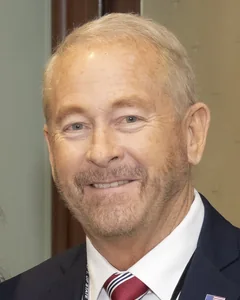
Embassy leadership
U.S. Ambassador to Mexico
Leads the U.S. diplomatic mission in Mexico and engages Mexico's government across the bilateral agenda. The embassy helps coordinate U.S. agencies working in the country.
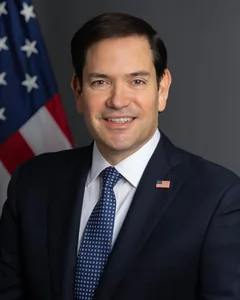
Diplomacy
Secretary of State
Leads State Department diplomacy and senior bilateral discussions, including regional security and cooperation with Mexico's foreign ministry.
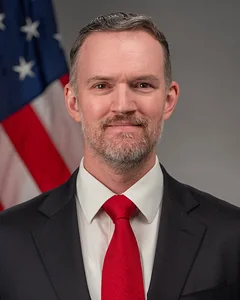
Trade negotiations
U.S. Trade Representative
Leads U.S. trade negotiations, USMCA implementation, and trade-dispute work. Manufacturing rules and market-access questions belong in this channel.
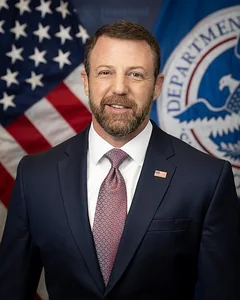
Border coordination
Secretary of Homeland Security
Oversees DHS, including U.S. border, customs, and immigration-enforcement agencies. The department is a key participant in border-management and migration coordination with Mexico.
Senate confirmation authorizes an appointment; it is not a swearing-in date. Swearing in marks the oath of office. An ambassador's presentation of credentials is a separate step with the receiving government. Each date above is labeled for the event the source verifies. The officials and roles were reviewed on Nov 16, 2026 and may change.
