Reading the trade relationship
Check the applicable product rule and sanctions authority rather than assuming either a total embargo or unrestricted access.
Country relationship · Central America · Reviewed
Continuing economic and family ties amid severe political and diplomatic strains.
Trade and diaspora links connect Nicaragua with the U.S., while repression, sanctions, and diplomatic disputes constrain government relations. Treaty trade rules, targeted restrictions, and diplomatic accreditation are separate questions.
Economy
Continuing economic and family ties amid severe political and diplomatic strains.
Security
Diplomatic and legal channels: Embassy, sanctions, consular functions.
People
Families, learning, travel, and professional connections extend beyond official diplomacy.
Trade figures are dated estimates, not a live counter. All amounts are U.S. dollars.
$8.5bnTwo-way goods and services trade · 2025
Apparel, agriculture, and other goods move through a relationship shaped by CAFTA–DR and sanctions. A preference under a trade agreement does not override restrictions on a designated person or entity.
Goods only in these bars; services are included in the larger total alongside them. A trade balance alone does not measure the value of a relationship.
| Measure | Amount |
|---|---|
| U.S. goods exports | $2.4bn |
| U.S. goods imports | $5.0bn |
| Goods and services, both directions | $8.5bn |
Country developments · Reviewed
Check the applicable product rule and sanctions authority rather than assuming either a total embargo or unrestricted access.
Washington’s concerns include political repression, civil liberties, migration, and transnational crime. Nicaragua rejected ambassador-designate Natasha Franceschi in October 2026; Senate confirmation did not establish host-country acceptance.
An ambassador-designate is not a serving ambassador. Elias Baumann’s temporary recall for consultations was distinct from permanently closing the embassy.
Families, religious communities, and exiles maintain cross-border ties. Remittances and consular needs persist despite strained government relations, and political conditions can affect civil society’s ability to operate.
Distinguish restrictions on officials from the rights and immigration circumstances of ordinary Nicaraguans.
Diplomacy, cooperation, disagreements, and decisions to watch in this relationship.
Country developments · Reviewed
Selected milestones that explain the relationship today.
The overthrow of the Somoza government begins a new phase in relations with Washington.
U.S. support for the Contras becomes a defining political and legal controversy.
The agreement takes effect for Nicaragua on April 1.
The crackdown on protests deepens human-rights concerns and subsequent diplomatic pressure.
Natasha Franceschi received Senate confirmation but Nicaragua rejected her accreditation. Elias Baumann remains the named acting envoy; October consultations were a separate diplomatic step.
Key U.S. interlocutors: the officials leading diplomacy, trade, and security coordination. These are selected federal leads, not an exhaustive directory.
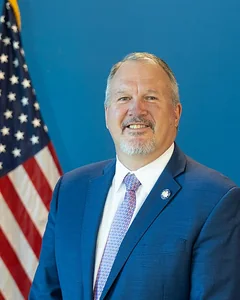
Embassy leadership
Chargé d’affaires, U.S. mission to Nicaragua
Leads the U.S. mission’s diplomatic engagement with Nicaragua. The mission coordinates U.S. agency work and maintains the local diplomatic channel.
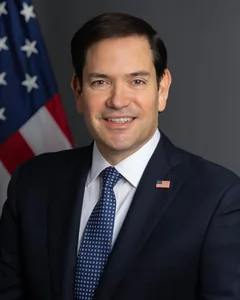
Diplomacy
Secretary of State
Leads State Department diplomacy and the senior political relationship. Embassy and consular work sit within this diplomatic chain.
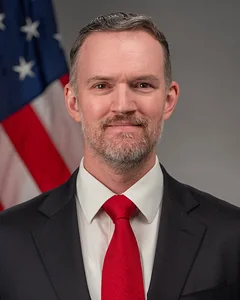
Trade negotiations
U.S. Trade Representative
Leads U.S. trade policy and negotiations. Trade preferences, treaty implementation, and market-access questions are distinct from immigration and consular decisions.
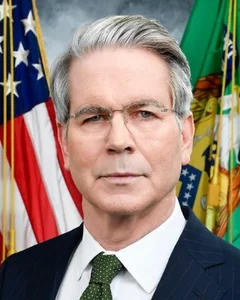
Finance & sanctions
Secretary of the Treasury
Leads Treasury’s financial diplomacy and administration of sanctions through OFAC. Sanctions authorizations, financial arrangements, and trade-agreement rules are different legal instruments.
Senate confirmation authorizes an appointment; it is not a swearing-in date. Swearing in marks the oath of office. An ambassador's presentation of credentials is a separate step with the receiving government. Each date above is labeled for the event the source verifies. The officials and roles were reviewed on Nov 17, 2026 and may change.

