Reading the trade relationship
Goods moving through a transit country should not automatically be treated as that country’s production.
Country relationship · South America · Reviewed
A landlocked partner linked through agriculture, investment, and anti-crime cooperation.
Paraguay’s relationship with Washington combines agricultural commerce, business ties, and cooperation against organized crime and corruption. Its position in the Paraná–Paraguay river system and its diplomatic relationship with Taiwan add regional context.
Economy
A landlocked partner linked through agriculture, investment, and anti-crime cooperation.
Security
Financial and law-enforcement channels: Police, prosecutors, customs.
People
Families, learning, travel, and professional connections extend beyond official diplomacy.
Trade figures are dated estimates, not a live counter. All amounts are U.S. dollars.
$5.7bnTwo-way goods and services trade · 2025
Agriculture, hydroelectric power, and river transport shape investment and trade. Access to ports through neighboring countries makes logistics, river conditions, and regional rules important to U.S.–Paraguay commerce.
Goods only in these bars; services are included in the larger total alongside them. A trade balance alone does not measure the value of a relationship.
| Measure | Amount |
|---|---|
| U.S. goods exports | $4.4bn |
| U.S. goods imports | $558.8m |
| Goods and services, both directions | $5.7bn |
Country developments · Reviewed
Goods moving through a transit country should not automatically be treated as that country’s production.
Cooperation focuses on trafficking, illicit finance, and institutional capacity. The tri-border region is an area of concern, but its residents and lawful commercial activity should not be conflated with criminal networks.
Sanctions or criminal allegations about an individual require specific evidence and legal context.
Academic exchange and business networks form a relationship beyond senior officials. Paraguayan communities abroad and domestic entrepreneurs are affected by access to finance, skills, and predictable legal rules.
A commercial opportunity and permission to work or reside abroad are separate matters.
Diplomacy, cooperation, disagreements, and decisions to watch in this relationship.
Country developments · Reviewed
Selected milestones that explain the relationship today.
The fall of Alfredo Stroessner begins a new political period.
Paraguay becomes a founding member of the regional trade bloc.
A new constitutional framework supports the transition to civilian democratic institutions.
An acting chief of mission is not a Senate-confirmed ambassador.
Key U.S. interlocutors: the officials leading diplomacy, trade, and security coordination. These are selected federal leads, not an exhaustive directory.

Embassy leadership
Chargé d’affaires, U.S. mission to Paraguay
Leads the U.S. mission’s diplomatic engagement with Paraguay. The mission coordinates U.S. agency work and maintains the local diplomatic channel.
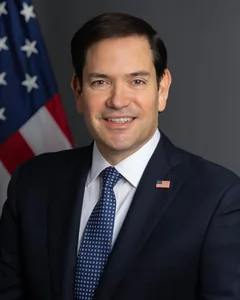
Diplomacy
Secretary of State
Leads State Department diplomacy and the senior political relationship. Embassy and consular work sit within this diplomatic chain.
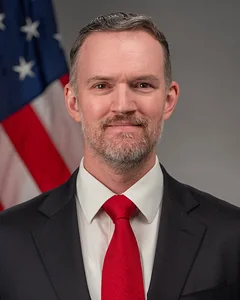
Trade negotiations
U.S. Trade Representative
Leads U.S. trade policy and negotiations. Trade preferences, treaty implementation, and market-access questions are distinct from immigration and consular decisions.
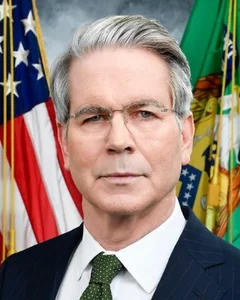
Finance & sanctions
Secretary of the Treasury
Leads Treasury’s financial diplomacy and administration of sanctions through OFAC. Sanctions authorizations, financial arrangements, and trade-agreement rules are different legal instruments.
Senate confirmation authorizes an appointment; it is not a swearing-in date. Swearing in marks the oath of office. An ambassador's presentation of credentials is a separate step with the receiving government. Each date above is labeled for the event the source verifies. The officials and roles were reviewed on Nov 17, 2026 and may change.

