Reading the trade relationship
A mineral partnership does not establish control over Chilean resources or guarantee that a project will be built.
Country relationship · South America · Reviewed
A Pacific partner linked through a trade agreement, critical minerals, and scientific cooperation.
Chile and the U.S. have longstanding commercial ties through a bilateral free-trade agreement. Copper and lithium, renewable energy, research, and Pacific diplomacy sit alongside a history of U.S. involvement during Chile’s Cold War political upheaval.
Economy
A Pacific partner linked through a trade agreement, critical minerals, and scientific cooperation.
Security
Pacific and maritime cooperation: National authorities and exchanges.
People
Families, learning, travel, and professional connections extend beyond official diplomacy.
Trade figures are dated estimates, not a live counter. All amounts are U.S. dollars.
$49.5bnTwo-way goods and services trade · 2025
Copper, lithium, food products, and equipment are important to the commercial relationship. A free-trade agreement provides rules; permitting, water, infrastructure, and national resource policy shape individual projects.
Goods only in these bars; services are included in the larger total alongside them. A trade balance alone does not measure the value of a relationship.
| Measure | Amount |
|---|---|
| U.S. goods exports | $19.1bn |
| U.S. goods imports | $19.0bn |
| Goods and services, both directions | $49.5bn |
Country developments · Reviewed
A mineral partnership does not establish control over Chilean resources or guarantee that a project will be built.
Defense exchanges, maritime cooperation, and disaster response offer practical channels. Chile makes its own decisions on procurement and regional diplomacy rather than acting as an extension of U.S. policy.
Commercial, defense, and scientific agreements should be evaluated on their own terms.
University partnerships, astronomy, scientific facilities, tourism, and business connect people in both countries. Travel programs have specific eligibility and security conditions.
Visa-waiver eligibility is not a right to work or reside in the United States.
Diplomacy, cooperation, disagreements, and decisions to watch in this relationship.
Country developments · Reviewed
Selected milestones that explain the relationship today.
The coup and U.S. involvement in the period remain central to historical understanding of the relationship.
The transition ends the military dictatorship.
The U.S.–Chile FTA enters into force on January 1.
Confirmation authorizes an appointment. Arrival, swearing-in, and credentials are separate milestones.
Key U.S. interlocutors: the officials leading diplomacy, trade, and security coordination. These are selected federal leads, not an exhaustive directory.
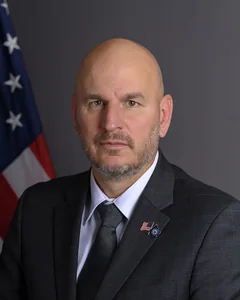
Embassy leadership
U.S. Ambassador to Chile
Leads the U.S. mission’s diplomatic engagement with Chile. The mission coordinates U.S. agency work and maintains the local diplomatic channel.
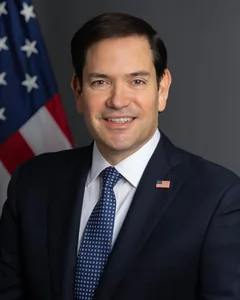
Diplomacy
Secretary of State
Leads State Department diplomacy and the senior political relationship. Embassy and consular work sit within this diplomatic chain.

Trade negotiations
U.S. Trade Representative
Leads U.S. trade policy and negotiations. Trade preferences, treaty implementation, and market-access questions are distinct from immigration and consular decisions.
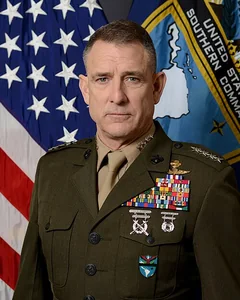
Military cooperation
Commander, U.S. Southern Command
Leads U.S. military cooperation in SOUTHCOM’s area, including training, maritime awareness, and disaster-response support. This command role is separate from diplomatic negotiations and the partner government’s legal authority.
Senate confirmation authorizes an appointment; it is not a swearing-in date. Swearing in marks the oath of office. An ambassador's presentation of credentials is a separate step with the receiving government. Each date above is labeled for the event the source verifies. The officials and roles were reviewed on Nov 17, 2026 and may change.

