Reading the trade relationship
Potential resource revenue should not be presented as public money already received or as benefits already delivered.
Country relationship · South America · Reviewed
A Caribbean-linked South American partner entering a new phase of resource investment.
Suriname’s relationship with the U.S. connects trade, investment, public institutions, and regional security. Offshore energy interest sits alongside an existing resource economy, environmental concerns, and links through CARICOM.
Economy
A Caribbean-linked South American partner entering a new phase of resource investment.
Security
Institutional and regional cooperation: Law enforcement, public administration.
People
Families, learning, travel, and professional connections extend beyond official diplomacy.
Trade figures are dated estimates, not a live counter. All amounts are U.S. dollars.
$562.2mTwo-way goods trade · services excluded · 2025
Gold and other resource activities shape the economy, while offshore energy projects create new investment interest. Exploration, a final investment decision, construction, and production should be treated as different stages.
Goods only in the bars and total. Travel and other services are not included in this snapshot. A trade balance alone does not measure the value of a relationship.
| Measure | Amount |
|---|---|
| U.S. goods exports | $487.3m |
| U.S. goods imports | $74.9m |
Country developments · Reviewed
Potential resource revenue should not be presented as public money already received or as benefits already delivered.
Cooperation on crime, trafficking, and public-sector capacity connects the embassy with Surinamese institutions. Environmental harm and illicit resource activity can create overlapping policy challenges.
Regional cooperation does not replace national legal authority or independent oversight.
Professional exchanges, education, business, and diaspora connections complement government relations. Suriname’s Dutch-speaking institutions and diverse communities give these ties a distinct character.
Local hiring, skills, and community benefits need evidence separate from project announcements.
Diplomacy, cooperation, disagreements, and decisions to watch in this relationship.
Country developments · Reviewed
Selected milestones that explain the relationship today.
Suriname becomes independent from the Netherlands.
A coup begins a period of military influence and political instability.
Elections follow another interruption of civilian rule.
Suriname joins the Caribbean Community.
An acting chief of mission is not a Senate-confirmed ambassador.
Key U.S. interlocutors: the officials leading diplomacy, trade, and security coordination. These are selected federal leads, not an exhaustive directory.
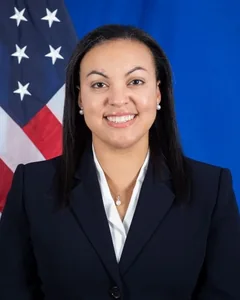
Embassy leadership
Chargé d’affaires, U.S. mission to Suriname
Leads the U.S. mission’s diplomatic engagement with Suriname. The mission coordinates U.S. agency work and maintains the local diplomatic channel.
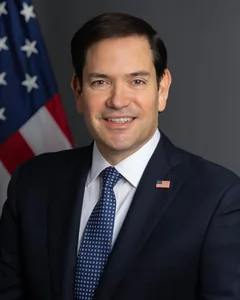
Diplomacy
Secretary of State
Leads State Department diplomacy and the senior political relationship. Embassy and consular work sit within this diplomatic chain.
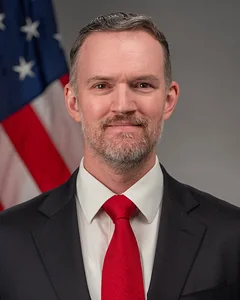
Trade negotiations
U.S. Trade Representative
Leads U.S. trade policy and negotiations. Trade preferences, treaty implementation, and market-access questions are distinct from immigration and consular decisions.
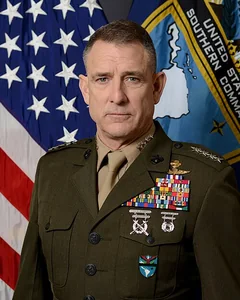
Military cooperation
Commander, U.S. Southern Command
Leads U.S. military cooperation in SOUTHCOM’s area, including training, maritime awareness, and disaster-response support. This command role is separate from diplomatic negotiations and the partner government’s legal authority.
Senate confirmation authorizes an appointment; it is not a swearing-in date. Swearing in marks the oath of office. An ambassador's presentation of credentials is a separate step with the receiving government. Each date above is labeled for the event the source verifies. The officials and roles were reviewed on Nov 17, 2026 and may change.

